Our Story
The Community Plant Breeding Team (CPBT) was founded in 2021 after Dr. Rex Bernardo heard an MPR story about members of the African diaspora driving hundreds of miles to buy vegetables from farmers’ markets in the Twin Cities metropolitan. As of 2024, Minnesota is home to more than 150,000 African-born refugees, immigrants, and their US-born descendants (Minnesota Compass), and there isn't enough enough produce to meet the demand from those who live in the area and those traveling long distances to purchase produce.
Rex felt that graduate students in the Applied Plant Sciences Graduate Program at the University of Minnesota had the skills and resources to work to improve access to culturally relevant African vegetables in the Twin Cities metropolitan. Growing these vegetables can be difficult because of differences between Minnesotan and African climates, as well as lack of seed availability. Starting in 2021 the CPBT began working with community members to determine what leafy greens had the highest potential for adaptation to Minnesota.
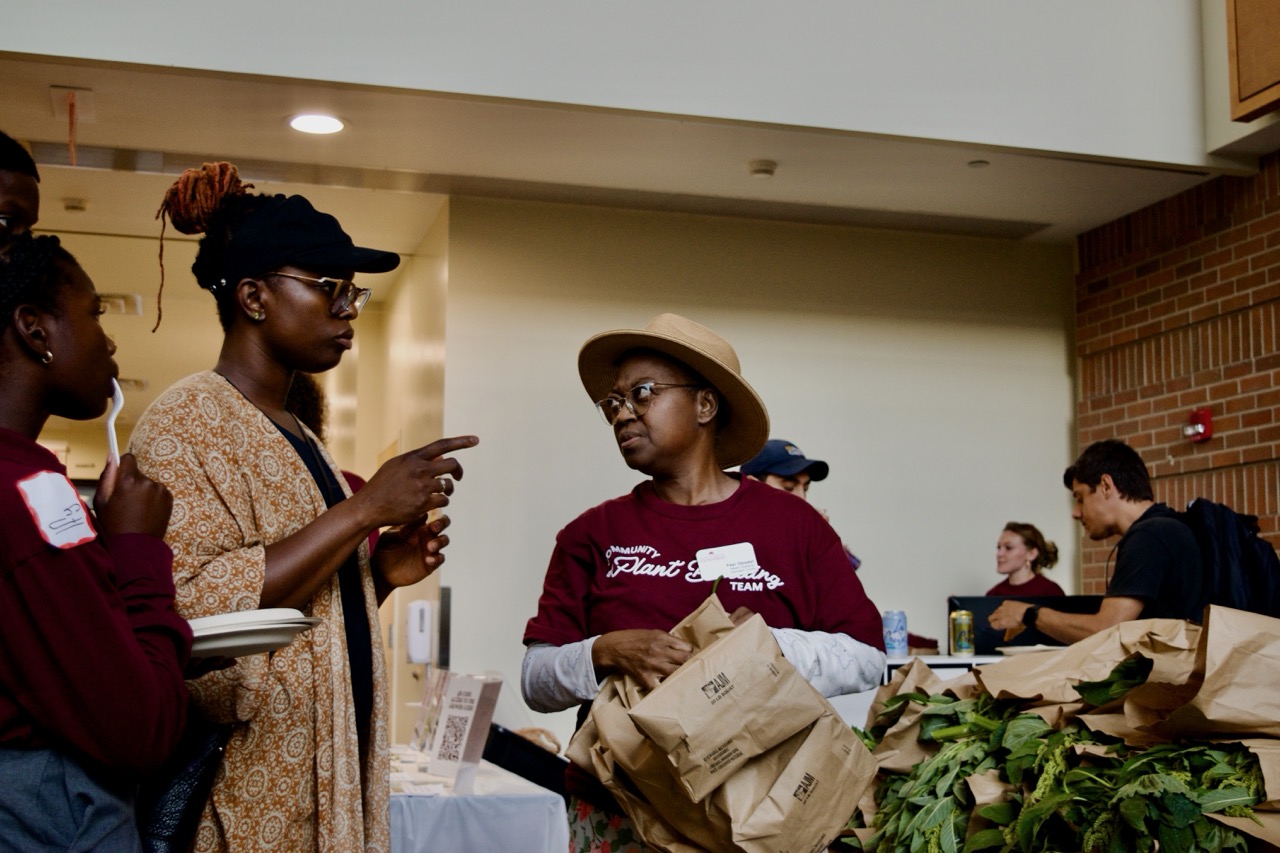
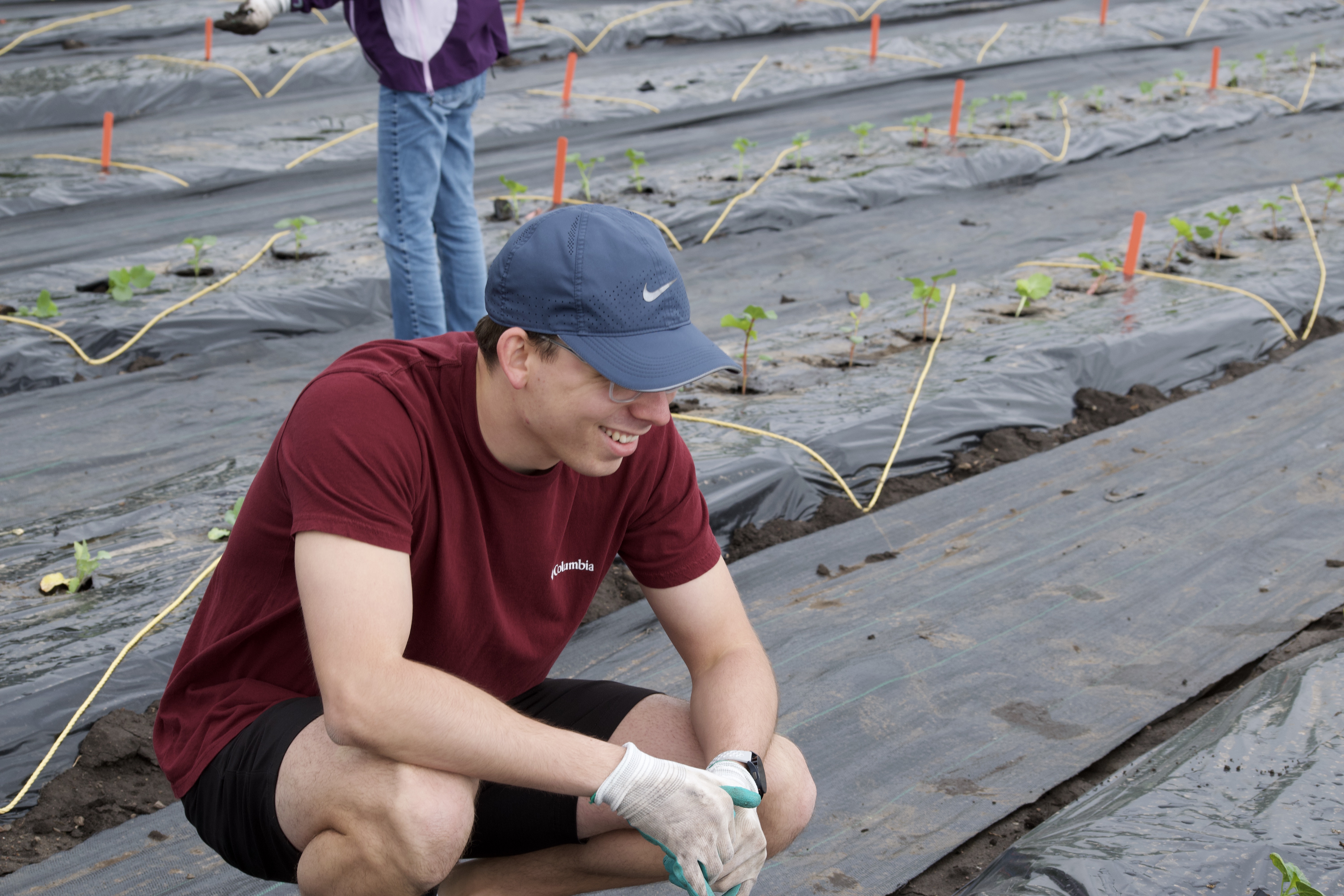
Today, the team now works with gardeners, farmers, and members of the community to identify and develop varieties of these vegetables that can be grown in Minnesota. We focus on adaptation of four different greens: amaranth, cleome, Ethiopian mustard, and jute mallow. Each year we have a garden with two components: research and community plots. The research side of our garden allows us to evaluate varieties for desired traits for adaptation. On our community side, we grow anywhere from 20 to 35 species of culturally relevant food plants including: African eggplant, bitterleaf, sourleaf, ugu, waterleaf, African basil, bittergourd, and more. In 2026, we doubled the size of our community plots so we could make a concerted effort to donate produce to food shelfs around the metropolitan area.
This project would not be possible without the University of Minnesota Extension Master Gardener Volunteer Program and the wonderful community we've built.
Participatory Plant Breeding
The CPBT uses participatory plant breeding strategies to co-develop varieties with community members. Participatory plant breeding mean that we collaborate with growers and consumers at every stage to produce a varietal release. As researchers, we have unique access to seed banks, greenhouse space, and field space to conduct research. Community member collaborators bring knowledge of these plants and their desired look and flavor profile. Without them, what we do would not be possible!